Blood Tests for Fatigue: Which Tests Can Explain Constant Tiredness?
Feeling tired after a late night is ordinary. Feeling worn out for weeks, struggling to concentrate, or needing a nap after simple tasks is different. Persistent fatigue has many possible causes, and a blood test can help narrow down some of them.
That does not mean one panel will explain every case. The NICE guidance on tiredness and fatigue describes fatigue as a common, non-specific symptom. Sleep, stress, medication, recent illness and mental health can all matter alongside physical conditions. Blood tests are one part of the investigation, not a diagnosis by themselves.
Which blood tests are useful for fatigue?
The right tests depend on your symptoms and medical history. These are the markers a GP or private clinician may consider when looking into unexplained tiredness.
Full blood count
A full blood count (FBC) measures red and white blood cells, haemoglobin and platelets. It can point towards anaemia, infection or another blood-related problem. Anaemia may cause tiredness, shortness of breath, dizziness or paleness, although symptoms vary.
An FBC does not tell you why you are anaemic. If the result suggests anaemia, a clinician may look at iron status, bleeding, diet, medication or other causes.
Ferritin and iron status
Ferritin gives an indication of your stored iron. Some panels also include serum iron, total iron-binding capacity (TIBC) and transferrin saturation. Looking at these results together is more useful than ordering serum iron alone, because serum iron can change with recent food and other factors.
Low iron stores can contribute to fatigue before haemoglobin falls into the anaemia range. Heavy periods, pregnancy, a plant-based diet, gastrointestinal problems and blood loss can all be relevant. Do not start high-dose iron just because you feel tired. Too much iron can be harmful, and a low result needs a reason as well as treatment.
Thyroid function
The thyroid affects how quickly your body uses energy. Thyroid testing usually starts with TSH, with free T4 added when appropriate. Some private panels include free T3 or thyroid antibodies too.
An underactive thyroid can occur with tiredness, feeling cold, dry skin, constipation, low mood or weight changes. Those symptoms overlap with many other conditions, so a thyroid result needs to be interpreted with your history and any medicines you take.
Vitamin B12 and folate
Vitamin B12 and folate help the body make healthy red blood cells and support the nervous system. A deficiency can cause fatigue, mouth ulcers, pins and needles, balance problems or changes in memory and concentration. Symptoms can appear without obvious anaemia.
People who eat little or no animal food, take metformin or acid-reducing medicines, or have an absorption problem may have a higher risk of B12 deficiency. Folate and B12 are related, but they are not interchangeable. A clinician can advise on the right supplement and whether further investigation is needed.
Vitamin D
Vitamin D is made in the skin in response to sunlight, and low levels are more common during the darker months in the UK. A vitamin D test measures 25-hydroxyvitamin D. Low vitamin D can be associated with bone or muscle symptoms, but tiredness has many possible explanations.
If your result is low, ask a pharmacist or clinician about a suitable supplement. Avoid taking very large doses without advice, particularly if you have kidney disease, high calcium or another long-term condition.
Blood glucose or HbA1c
HbA1c gives an estimate of your average blood glucose over roughly the previous two to three months. It can help identify diabetes or raised glucose levels. Fatigue can occur alongside increased thirst, passing urine more often, blurred vision or unexplained weight change, although some people have few symptoms.
A result outside the expected range does not tell you the whole story. Your GP or a clinician may repeat the test or arrange another type of assessment.
Liver, kidney and inflammation markers
Depending on your symptoms, a fatigue work-up may include liver function, kidney function, electrolytes and C-reactive protein (CRP). These tests can identify signs that need follow-up, but CRP is not a general “fatigue test” and cannot locate the cause of inflammation.
Private fatigue blood tests in the UK
The NHS is usually the sensible first route if fatigue is persistent, severe or accompanied by other symptoms. A private test can be useful when you want a broader panel, a different collection option or results sooner, but you still need a GP or other qualified clinician to interpret anything abnormal.
Prices change, so check the live product page before ordering. These were the prices shown during our research:
| Provider | Test | Price | Link |
|---|---|---|---|
| Medichecks | Tiredness and Fatigue Blood Test | £79 | View test£79 |
| Medichecks | Advanced Tiredness and Fatigue Blood Test | £119 | View test£119 |
| Forth | Baseline Blood Test, including energy and nutrition markers | £135 | View test£135 |
| One Day Tests | Tired All The Time Blood Test | £99 | View test£99 |
The Medichecks standard panel uses a home finger-prick sample. Its advanced panel covers 26 biomarkers and needs a venous sample, either at a clinic or through a nurse visit. Forth’s Baseline test is a wider general-health panel rather than a fatigue-only test. Those differences matter when comparing prices.
To compare individual tests, you can look at iron, ferritin, thyroid, vitamin B12 and vitamin D blood tests side by side.
Finger-prick or venous sample?
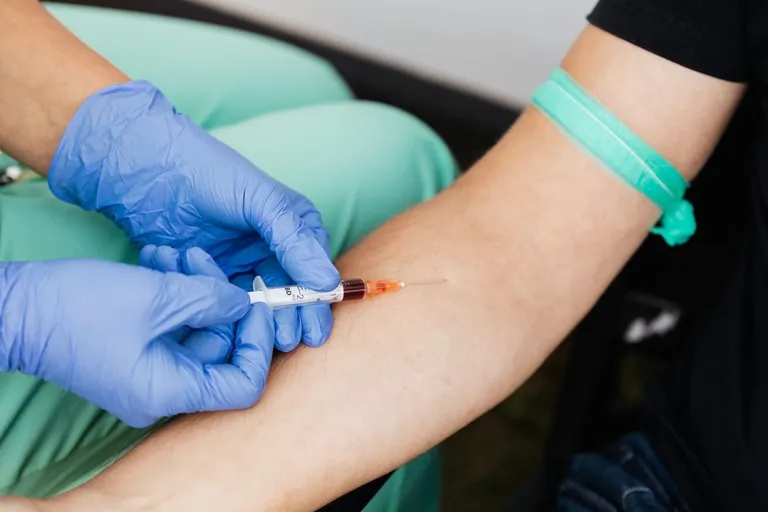
Finger-prick kits are convenient and can be enough for a smaller panel. They are not the same as instant home tests: the sample is posted to a laboratory for analysis. Some larger panels require more blood, so a venous draw from your arm may be the better option.
A clinic or nurse-collected sample also avoids the frustration of trying to fill a small tube yourself. I would pay for a professional draw if a previous home sample was rejected or if you are ordering a panel with lots of biomarkers.
What to do if your results are abnormal
Do not treat a flagged result in isolation. Save the full report, including the units and reference range, and book an appointment with your GP or the provider’s clinician service. Tell them about your symptoms, medicines, supplements, diet and any recent illness.
If iron or B12 is low, treatment may be straightforward, but the underlying cause still matters. A person with heavy periods needs different follow-up from someone with possible absorption problems. If thyroid or HbA1c is abnormal, arrange medical review rather than changing medication yourself.
Seek urgent help through NHS 111 or emergency services for severe breathlessness, chest pain, fainting, confusion, black or bloody stools, or rapidly worsening symptoms. A private blood test should never delay care for those problems.
If your results are normal, that is useful information too. Fatigue can still be linked to sleep apnoea, infection, medication, stress, low mood or ME/CFS, none of which can be settled by ordering a bigger panel at random. Take the results to a clinician and keep looking at the full picture.
When Not to Test
A blood test does not explain every kind of tiredness, and it is not a diagnosis by itself. Sleep apnoea, stress, medication, low mood, recent infection and ME/CFS can all leave you exhausted with a completely normal panel, so clean results should not send you hunting for a bigger test. Do not start high-dose iron, B12 or vitamin D off the back of feeling tired: iron in particular belongs after a low ferritin result and a clinician’s advice, and large vitamin D doses carry real risks if you have kidney disease or high calcium. If fatigue arrives with severe breathlessness, chest pain, fainting, confusion, black or bloody stools, or is getting rapidly worse, seek urgent help through NHS 111 or emergency services.
Header image from Pexels
This article is for general information and is not a substitute for medical advice, diagnosis or treatment.
Sources: NICE Clinical Knowledge Summary: Tiredness/fatigue in adults; NHS: tiredness and fatigue. Prices and product details checked against provider pages on 19 August 2026.