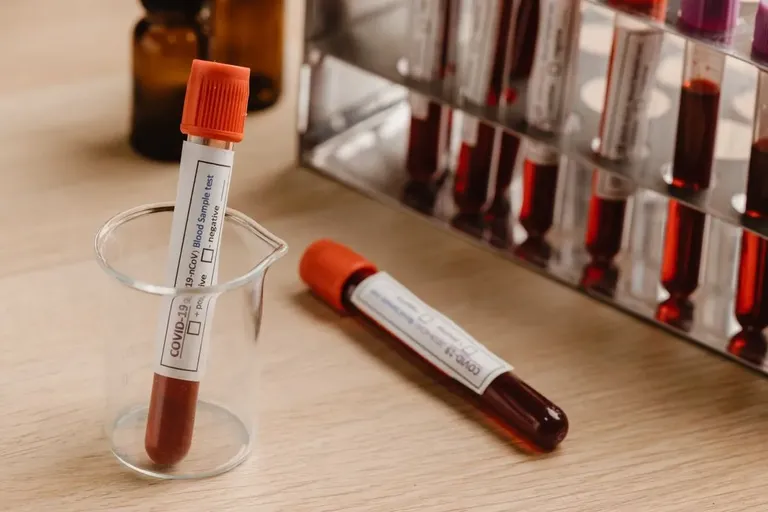
CRP & Inflammation Blood Tests: UK Guide
Inflammation is your body’s natural response to injury, infection, or stress, but when it becomes chronic it can quietly damage your health for years without obvious symptoms. A simple CRP blood test is one of the most effective ways to detect hidden inflammation and assess your risk of conditions like heart disease, autoimmune disorders, and metabolic syndrome.
Yet many people in the UK have never had their CRP levels checked. The NHS typically only tests CRP when there’s a suspected infection or inflammatory condition, which means low-grade chronic inflammation (the kind that slowly affects your arteries and organs) can go unnoticed for years.
This guide explains everything you need to know about CRP blood testing in the UK: what the different types of test measure, when you should consider testing, how private tests compare on price, and what to do with your results.
What Is C-Reactive Protein (CRP)?
CRP is a protein produced by your liver in response to inflammation anywhere in your body. When your immune system detects tissue damage, infection, or persistent irritation, it releases signalling molecules called cytokines, which tell your liver to ramp up CRP production.
CRP levels rise quickly, within hours of an inflammatory trigger, and fall just as rapidly once the underlying cause is resolved. This makes CRP an excellent real-time marker of inflammation, but it also means a single high reading needs careful interpretation.
There are two distinct types of CRP test:
- Standard CRP test measures CRP across a wide range (roughly 10–1000 mg/L). Used to detect significant inflammation caused by infections, autoimmune flares, or acute illness.
- High-sensitivity CRP (hs-CRP) test is sensitive enough to detect very low levels of CRP (below 10 mg/L). This is the test used for cardiovascular risk assessment, because even mildly elevated CRP, too low to register on a standard test, is linked to increased heart disease risk.
The key difference is sensitivity. If you’re a generally healthy person wanting to check for hidden inflammation, you need the hs-CRP test. A standard CRP test will likely report a normal result even when low-grade inflammation is present.
Why Does Chronic Inflammation Matter?
Acute inflammation is your body’s friend: it helps you heal from injuries and fight off infections. But chronic, low-grade inflammation is a different story. When your immune system stays mildly activated over months or years, it contributes to a wide range of health problems.
Chronic inflammation damages the lining of your arteries, making it easier for plaque to build up, which raises the risk of heart disease and stroke. The 2026 cholesterol guidelines now explicitly recommend hs-CRP testing alongside lipid profiles for a complete cardiovascular risk assessment. It also interferes with insulin signalling, making it harder for your cells to process glucose, which contributes to insulin resistance and type 2 diabetes. Persistently high CRP can signal autoimmune conditions like rheumatoid arthritis, lupus, or inflammatory bowel disease, and chronic inflammation is both a cause and a consequence of metabolic syndrome (obesity, high blood pressure, and unhealthy cholesterol levels). Emerging research even links long-term inflammation to an increased risk of dementia and Alzheimer’s disease.
The challenge is that chronic inflammation often has no obvious symptoms. You might feel tired, achey, or “off”. But many people feel nothing at all until significant damage has already occurred.
Who Should Consider a CRP Blood Test?
You might want to check your CRP levels if:
- You have a family history of heart disease or stroke
- You have high cholesterol, high blood pressure, or diabetes
- You carry excess weight around your abdomen (visceral fat is strongly linked to inflammation)
- You smoke or have quit recently
- You have an autoimmune condition like rheumatoid arthritis or psoriasis
- You’re over 45 and want a complete picture of your cardiovascular health
- You experience persistent fatigue, joint pain, or brain fog without a clear cause
- You want to track whether lifestyle changes (diet, exercise, weight loss) are reducing inflammation
CRP testing is also useful for monitoring: if you’ve been diagnosed with an inflammatory condition or had a cardiac event, your doctor may recommend regular CRP tests to track treatment effectiveness.
What Do CRP Test Results Mean?
Standard CRP Test
| Result | Interpretation |
|---|---|
| Below 10 mg/L | Normal: no significant inflammation detected |
| 10–100 mg/L | Moderate elevation: suggests infection, autoimmune flare, or tissue damage |
| Above 100 mg/L | Marked elevation: indicates severe infection, trauma, or active inflammatory disease |
High-Sensitivity CRP (Cardiovascular Risk Assessment)
| hs-CRP Level | Risk Category |
|---|---|
| Below 1.0 mg/L | Low risk of cardiovascular events |
| 1.0–3.0 mg/L | Average risk |
| Above 3.0 mg/L | High risk: suggests significant arterial inflammation |
| Above 10 mg/L | Re-test: likely caused by acute infection or injury, not chronic inflammation |
Important: A single high CRP result doesn’t necessarily mean you have a chronic problem. CRP can spike temporarily due to a cold, a dental infection, heavy exercise, or even a minor injury. If your result is elevated, your doctor will typically recommend a repeat test after a few weeks, along with other investigations to pinpoint the cause.
NHS vs. Private CRP Testing
NHS Testing
The NHS offers CRP testing through your GP, but access is generally limited to people with specific symptoms or known conditions. You’re unlikely to get a CRP test on the NHS purely for preventive screening, and hs-CRP testing for cardiovascular risk assessment is not routinely available.
Private Testing
Private CRP testing gives you full control. You can order an hs-CRP test directly without a GP referral, get results within a few days, and test as often as you like. Prices are affordable too, often less than a takeaway meal for two.
How Much Does a Private CRP Blood Test Cost?
To compare CRP and inflammation test prices across all providers side by side, visit our compare page to look at CRP or heart health tests.
| Provider | Test | Price | Link |
|---|---|---|---|
| Medichecks | CRP (High Sensitivity) Blood Test | £39 | View test£39 |
| Forth | CRP Blood Test (hs-CRP) | £41 | View test£41 |
| Medichecks | Heart Disease Risk Check (lipids + hs-CRP) | £49 | View test£49 |
| Forth | Heart Health Blood Test (lipids + hs-CRP) | £76 | View test£76 |
| Bluecrest Wellness | Inflammatory Profile | £75 | View test£75 |
The best value entry point is the standalone hs-CRP test from Medichecks at £39. If you’re also interested in your cholesterol numbers, the Heart Disease Risk Check at £49 bundles both tests together for just £10 more, which is excellent value.
Forth’s hs-CRP test at £41 is similarly priced, and their Heart Health Blood Test at £76 includes a full lipid profile alongside hs-CRP: comparable to Medichecks but slightly more expensive.
Bluecrest Wellness offers a standalone Inflammatory Profile at £75, though this is a clinic-based test rather than at-home finger-prick, so factor in travel time.
How to Lower Your CRP Levels Naturally
If your CRP results come back elevated, there are several evidence-based ways to reduce chronic inflammation.
Diet and Nutrition
The Mediterranean diet has the strongest evidence for lowering CRP. Build your meals around fruits and vegetables (especially berries, leafy greens, and cruciferous vegetables like broccoli, kale, and Brussels sprouts), healthy fats such as olive oil, avocados, nuts, and fatty fish rich in omega-3s (salmon, mackerel, sardines), whole grains like oats, quinoa, brown rice, and barley instead of refined carbohydrates, and legumes (lentils, chickpeas, and beans) for fibre and plant protein. Limit ultra-processed foods, sugary drinks, red meat, and refined carbohydrates, all of which promote inflammation.
Lifestyle Changes
Exercise regularly, aiming for at least 150 minutes of moderate activity per week; consistent exercise has been shown to reduce CRP levels over time. Improve your sleep quality, because poor sleep is a significant driver of inflammation, and aim for 7–9 hours per night. Manage stress: chronic stress keeps cortisol and inflammatory markers elevated, and meditation, yoga, and time in nature all help. Some research suggests intermittent fasting (time-restricted eating) can lower inflammatory markers, and cutting back on alcohol matters too, since heavy drinking raises CRP levels significantly.
Supplements
Some supplements have shown promise for reducing CRP, though results vary between individuals: omega-3 fatty acids (fish oil supplements, 1–3g daily of combined EPA/DHA), vitamin D (deficiency is linked to higher CRP levels), turmeric/curcumin (which has anti-inflammatory properties, especially when combined with black pepper (piperine) for absorption), and berberine (which may help lower CRP in people with metabolic syndrome).
Always speak to a healthcare professional before starting new supplements, especially if you’re taking medication. I’d add one thing from experience: supplements get expensive fast, and the diet and sleep changes above do more for most people’s CRP than any pill.
When to See a Doctor
A CRP blood test is a powerful screening tool, but it’s not a diagnosis. If your hs-CRP level is above 3.0 mg/L, consider booking a follow-up with your GP to discuss:
- Repeat testing to confirm the result
- Additional tests to identify the source of inflammation (full blood count, fasting glucose, lipid profile, autoimmune markers)
- Whether statin therapy is appropriate (statins have anti-inflammatory effects beyond cholesterol-lowering)
- Lifestyle changes that could help lower your levels
If you have symptoms like unexplained weight loss, persistent fever, severe joint pain, or chest discomfort, seek medical advice promptly rather than relying on home testing alone.
The Bottom Line
A CRP blood test is one of the most cost-effective ways to check for hidden inflammation and assess your cardiovascular risk for under £40. Whether you choose a standalone hs-CRP test or bundle it with a lipid profile for a complete heart health picture, private testing gives you access to information your GP may not routinely offer.
Pairing a simple blood test with evidence-based lifestyle changes is your best defence against the long-term damage of chronic inflammation. Know your numbers, and you can act before inflammation becomes a problem.
When Not to Test
CRP rises with any infection, injury, or flare-up, so a single reading taken while you are unwell says little about long-term risk. Do not use CRP to self-diagnose an infection or to decide against seeing a doctor. It is not a heart attack predictor on its own and it cannot stand in for a GP’s assessment. If you have a fever, chest pain, or a swollen, hot joint, get medical help rather than testing at home.
Header image from Pexels
This guide is for informational purposes only and does not constitute medical advice. Always consult a qualified healthcare professional before making decisions about your health.