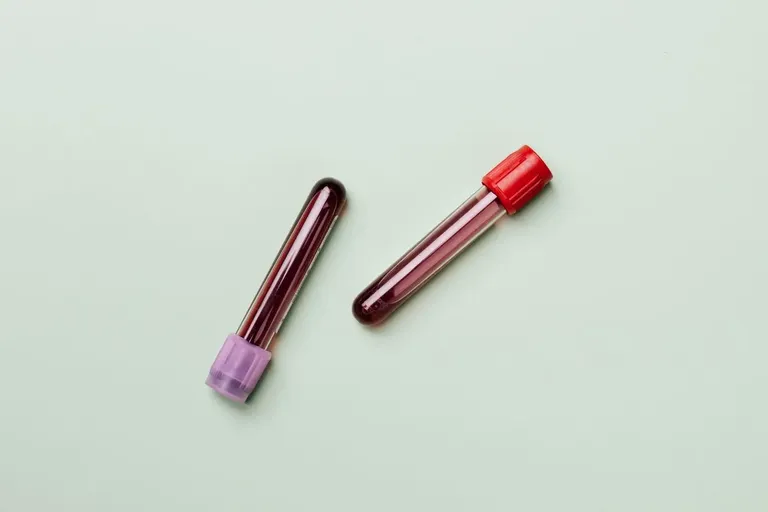
Iron Deficiency & Ferritin Blood Tests
Iron deficiency is one of the most common nutritional problems in the UK, yet it often goes undiagnosed for months, sometimes years. Fatigue, brain fog, hair thinning, and poor concentration are all classic symptoms, but they’re easy to put down to a busy life or poor sleep. A simple ferritin blood test can tell you for sure whether your iron stores are running low.
Why Iron Matters
Iron is essential for producing haemoglobin, the protein in red blood cells that carries oxygen around your body. It also plays a key role in energy metabolism, immune function, and cognitive performance.
When iron levels drop too low, your body can’t make enough healthy red blood cells, a condition called iron deficiency anaemia. But even before you reach the anaemia stage, low iron stores (known as iron deficiency) can cause noticeable symptoms:
- Persistent fatigue and weakness
- Shortness of breath during exercise
- Pale skin and cold hands and feet
- Brittle nails and hair loss
- Restless legs (particularly at night)
- Brain fog and poor concentration
- Frequent infections
The challenge is that these symptoms overlap with many other conditions. Thyroid disorders, vitamin B12 deficiency, stress, and poor sleep can all present similarly. Testing your ferritin level is the most reliable way to know whether iron is the culprit.
How Common Is Iron Deficiency in the UK?
Iron deficiency is surprisingly widespread in the UK. According to NHS figures:
- 1 in 10 women of reproductive age has iron deficiency
- 1 in 20 men and postmenopausal women has iron deficiency
- Among women aged 19–64, nearly 1 in 4 may have low iron stores
- Vegetarians and vegans are at higher risk because the iron from plant foods (non-haem iron) is less easily absorbed than iron from meat
The highest-risk groups include:
| Group | Why they’re at risk |
|---|---|
| Women with heavy periods | Monthly blood loss depletes iron stores |
| Pregnant women | Increased blood volume and foetal demands |
| Vegetarians and vegans | Lower absorption of plant-based iron |
| Endurance athletes | Iron loss through sweat and foot-strike damage |
| People with gut conditions (coeliac, Crohn’s, IBD) | Poor absorption of iron from food |
| Frequent blood donors | Regular blood loss over time |
What the NHS Tests vs. What a Private Test Reveals
The NHS approach
If you visit your GP with fatigue or other anaemia symptoms, they’ll typically order a Full Blood Count (FBC). This checks your haemoglobin levels and red blood cell counts. If your haemoglobin is low, you’ll be diagnosed with anaemia and treatment will begin.
The problem? The FBC only catches anaemia once it’s already developed. It doesn’t measure your iron stores directly. You could have dangerously low ferritin, your body’s iron reserves, while still showing a “normal” haemoglobin level, and the NHS FBC would miss it entirely.
If your FBC comes back normal, many GPs won’t investigate further. You could walk away with unexplained symptoms and no answers.
What a private ferritin test reveals
A private ferritin blood test measures your iron storage levels directly. This gives you a much earlier warning, because you can catch iron deficiency before it progresses to full anaemia.
Results are typically reported as:
| Ferritin Level | Status |
|---|---|
| Below 15 µg/L | Iron deficiency (depleted stores) |
| 15–30 µg/L | Borderline low, may cause symptoms |
| 30–150 µg/L | Normal range |
| Above 150 µg/L | May indicate iron overload or inflammation |
Some functional medicine practitioners consider anything below 50 µg/L suboptimal for energy and cognitive function, even if it falls within the standard laboratory range.
Many private iron panels go beyond ferritin and include:
| Marker | What It Tells You |
|---|---|
| Ferritin | Your body’s iron storage level |
| Serum Iron | The amount of iron in your blood right now |
| TIBC (Total Iron-Binding Capacity) | How well your body can transport iron |
| Transferrin Saturation | The percentage of iron transport sites that are occupied |
| Hb (Haemoglobin) | Whether you’ve developed anaemia |
This fuller picture helps distinguish between different types of iron deficiency and can also flag potential iron overload (haemochromatosis), a genetic condition that affects about 1 in 200 people of Northern European descent.
How Often Should You Test?
For most people, testing once a year is sufficient. If you’re in a high-risk group or correcting a known deficiency with supplements, testing every 3–6 months until levels stabilise is sensible.
Good times to check:
- If you’re starting a vegetarian or vegan diet, test your baseline, then recheck after 6 months
- If you’re experiencing persistent fatigue, rule out iron deficiency before pursuing other causes
- After supplementing, retest 3 months after starting iron supplements to confirm levels have improved
- Before and after pregnancy, since iron demands increase significantly during pregnancy
Ferritin and Iron Blood Test Prices in the UK
Several UK providers offer standalone ferritin or comprehensive iron panel testing. Here’s a comparison of current prices:
| Provider | Test | Price | Sample Method |
|---|---|---|---|
| Medichecks | Ferritin Blood Test | £39 | Finger-prick or clinic |
| Medichecks | Iron Deficiency Check (ferritin + iron + TIBC) | £49 | Finger-prick or clinic |
| Forth | Ferritin Blood Test | £39 | Finger-prick at home |
| BetterYou | Iron (Ferritin) At-Home Test Kit | £39.99 | Finger-prick at home |
| Thriva | Advanced Iron Profile | £50 | Autodraw at home |
| Bluecrest Wellness | Iron Stores (Ferritin) | £65 | Clinic appointment |
| Numan | Nutritional Health Blood Test | £68 | Finger-prick at home |
Medichecks offers the widest selection of iron-related tests. Their standalone Ferritin Blood Test at £39 is the most affordable option for a quick iron storage check, while their Iron Deficiency Check at £49 gives you the full picture with iron, ferritin, TIBC, and transferrin saturation.
For a quick, budget-friendly option, BetterYou’s Iron Test Kit at £39.99 is also worth considering. It comes with a free iron oral spray if your results are low, which is a nice bonus if you need to correct a deficiency.
Prices checked July 2026. Always verify current prices on the provider’s website.
To compare iron and ferritin test prices across all providers side by side, visit our compare page to look at iron or ferritin blood tests.
What to Do If Your Iron Is Low
If your ferritin results come back low, don’t panic. Iron deficiency is very treatable. Here’s what to do:
Dietary changes
Increase your intake of iron-rich foods. Haem iron, absorbed best, comes from red meat, liver, poultry, fish and shellfish. Non-haem iron, which absorbs less efficiently, comes from dark leafy greens (spinach, kale), lentils, beans, chickpeas, tofu, fortified cereals, pumpkin seeds, and dried fruit.
Boost absorption
Pair iron with vitamin C: having an orange, kiwi, or glass of orange juice alongside iron-rich foods can triple absorption. Avoid tea and coffee with meals, because their tannins can reduce iron absorption by up to 60%, so wait at least an hour after eating. Cooking in a cast iron pan also helps, as small amounts of iron leach into your food during cooking.
Supplement wisely
Ferrous sulphate or ferrous fumarate are the most common and affordable iron supplements. A typical dose is 200 mg daily (providing 65 mg elemental iron). Take them on an empty stomach for best absorption, or with a small amount of vitamin C.
Be aware of side effects: iron supplements can cause constipation, nausea, and stomach discomfort, so slow-release formulations or gentler forms (iron bisglycinate) may be better tolerated. And retest after 3 months; don’t keep supplementing indefinitely without checking your levels.
⚠️ Important: Do not take iron supplements unless you’ve confirmed a deficiency through testing. Excess iron can be toxic and is linked to organ damage, particularly in people with hereditary haemochromatosis.
When to see a GP
If your ferritin is very low (below 15 µg/L) or you have symptoms of anaemia alongside low iron, share your results with your GP. They may want to investigate the underlying cause, particularly in men and postmenopausal women, where iron deficiency can sometimes signal gastrointestinal bleeding.
The Bottom Line
Iron deficiency is common, underdiagnosed, and easily treatable. A simple ferritin blood test, costing as little as £39, can tell you whether low iron is behind your fatigue, brain fog, or hair thinning. Private testing gives you the advantage of catching deficiency early, before it progresses to full anaemia, and can help you track your progress as you correct it.
Whether you’re a woman with heavy periods, a vegetarian, a runner, or just someone who’s been feeling run down for too long, knowing your ferritin level is one of the most actionable health checks you can do.
When Not to Test
Do not start iron tablets on the strength of a home ferritin result alone. Iron builds up in the body and too much is harmful, so a low reading should be confirmed and the cause checked by a GP before you supplement. Ferritin also rises with inflammation, infection, and liver problems, so a normal-looking result can hide a real deficiency. If you have breathlessness, chest pain, palpitations, or black stools, get medical help rather than testing at home.
Disclaimer: This article is for informational purposes only and does not constitute medical advice. Always consult a qualified healthcare professional before starting supplements or making decisions about your health.
Header image from Pexels