NHS vs Private Blood Tests: When to Pay, When to Wait
You feel off, you mention it to your GP, and they agree a blood test makes sense. Great. Then they tell you it will be a few weeks before the appointment, and a few more after that before the results land. Suddenly the idea of just paying for it yourself and getting an answer in days sounds very appealing.
But is that the right call? Sometimes yes, sometimes no. This guide is for telling the difference fast.
How the NHS blood test route works
The starting point with NHS testing is the referral. A GP, or another clinician, orders a blood test when they think it is clinically indicated, which means based on your symptoms, your history, or a condition you already manage. You do not pay, and the test itself is free at the point of use. But you do need to get through the GP conversation first. And if what you are after is a routine wellness check, the NHS is unlikely to agree to a broad panel because you asked to get everything checked.
Once the test is ordered, timing varies. Some surgeries send you the same day for a venous draw; others book you days or weeks out, depending on their workload. The lab itself normally returns results within a few days, but between the appointment queue and the admin between draw and result, most people wait roughly one to three weeks from first asking to seeing numbers. If your surgery is under strain, it can drift longer.
When the NHS is the right choice
For some situations, the free route is genuinely better, not just cheaper. Start here when:
-
You have symptoms a clinician is actively investigating. A GP will order exactly what they need and interpret it against your history, which is more useful than picking tests yourself.
-
You are being followed up after treatment or for a long-term condition. For diabetes, thyroid, or cholesterol management, NHS testing is part of your care plan and results flow straight into your records. Repeating that privately would be paying twice for the same draw.
-
You are not sure what to test in the first place. Explaining your symptoms and letting a clinician decide is safer than guessing at markers from the internet, especially when something could be serious. If you are worried, the GP is always the better first step than a random panel.
-
Money is genuinely tight. Private is a convenience, not a requirement. If symptoms are present, the NHS route is there for you regardless of budget.
When private makes sense
Private testing shines in a different set of circumstances. It is the right call when:
-
You just want a number, not an opinion. Vitamin D, ferritin, testosterone, any single marker: you want to know the level, and you would rather not sit through a GP appointment to get it done. A number is a number, and private gives it to you straight.
-
The NHS will not test it in a healthy person. Most people asking about vitamin D, testosterone for their age, or a general MOT are not going to get those from the NHS without underlying symptoms. Private testing fills exactly that gap: preventive, elective checks that the NHS does not offer on demand.
-
Speed matters. If you are making a health decision, starting a treatment cycle, planning training, or just losing sleep over a worry, four weeks is a long time and days is not. For a fee that many people would spend on a takeaway anyway, that trade is easy.
-
You want to monitor something yourself. Say you want to see whether ferritin responds to iron supplements, or how your cortisol looks across a stressful quarter. Without repeated GP visits, a private test every few months gives you a clean trend line, and the price of a sandwich shop lunch pays for it.
-
You want control over the exact panel. The NHS tests what the clinician chooses. Private lets you pick the five markers you actually care about and skip the forty you do not, which is both cheaper and less noisy than a mega-panel sold on a full MOT hype.
Whichever way you go, private results can absolutely be shared with your GP. Most providers give you a PDF report or email it over, and a GP can add it to your record and advise on follow-up. Private does not mean abandoning the NHS. It means getting blood drawn faster and bringing the numbers back to your GP, not replacing it.
The cost reality
Here is where one thing makes the decision easy: private tests are affordable. You might assume paying privately means hundreds of pounds. For a single marker, it usually means tens. These are real prices pulled from the providers today:
| Test | Cheapest private price | NHS option |
|---|---|---|
| Vitamin D (25 OH) | £39 (Medichecks) | Free if clinically indicated, but rarely tested in a healthy person |
| Testosterone | £19 (Medichecks) | Free if symptoms are investigated; not routine |
| Ferritin / iron | £39 (Medichecks); £8 rapid test in Boots (MyHealthChecked) | Free if anaemia is suspected |
| Diabetes (HbA1c) | £46 (Medichecks) | Free for diabetes monitoring or at-risk screening |
| PSA (prostate) | £45 (Medichecks) | Free if discussed with a GP after symptoms or risk factors |
So the real comparison is usually not free verses expensive. It is free but slow verses about the same as a delivery and fast. If you need a single number and a few weeks does not bother you, go NHS and save the money. If you need it this month, private is hard to argue with at these prices.
How to decide
A quick way through it: ask yourself what you actually need the test for.
-
Symptoms and a GP already investigating? Wait for the NHS test. It is in your records, it is free, and the clinical context makes the result more meaningful. Do not pay privately for the same blood draw you are getting on the NHS anyway.
-
Reassurance, curiosity, or a single marker you are wondering about? Pay. The price is low enough that the waiting makes no sense, especially if the doubt has been weighing on you.
-
You need a fast result to bring to your GP? Pay for one private test, then share the report. A borderline vitamin D or ferritin level you have been sitting on for months is exactly the kind of thing worth a private draw. Having done it myself, the speed genuinely helps.
-
You plan to test regularly? Look at whether a provider with a subscription, like Thriva, or an app, like Forth or Thriva, makes tracking the trend easier than one-off buys. The bundle over time might beat buying singles repeatedly.
Before you buy, know the question. I am tired all the time points at a different test than I want a yearly baseline. Curious why the same test costs twice as much from different providers? Our piece on [why blood test prices vary](/blog/why-blood-test-prices-vary-by-provider/) digs into that, and the [2026 price index](/blog/private-blood-test-price-index-2026/) records real historical prices, because they do drift, so always re-check before you buy.
A note on reading your results
Either route, the numbers only matter if you understand them. A private report shows a reference range next to each marker,and an NHS one does too, but neither replaces a clinician’s read on what matters for you. If something is flagged, take it to your GP rather than panicking or Googling. For a plain English walkthrough of what reference ranges actually mean, our guide to [reading blood test results](/blog/how-to-read-blood-test-results-uk/) covers it well, from why a single mild flag is often nothing to when a result genuinely warrants a GP visit.
The short version
For most people,the rule is easy. If a GP is already investigating, use the free NHS route and let them drive. If you want a number, want it soon, or want to monitor something yourself, private testing from about £19 is cheap enough that the wait for an NHS slot rarely makes economic sense. Either way, get the result interpreted properly and act on it. That is what makes a test worth doing in the first place.
To compare prices across all providers for whichever test you land on, head to our compare page and search for the marker, sorting price low to high. It pulls live prices from every provider in one table and saves you clicking round a dozen sites.
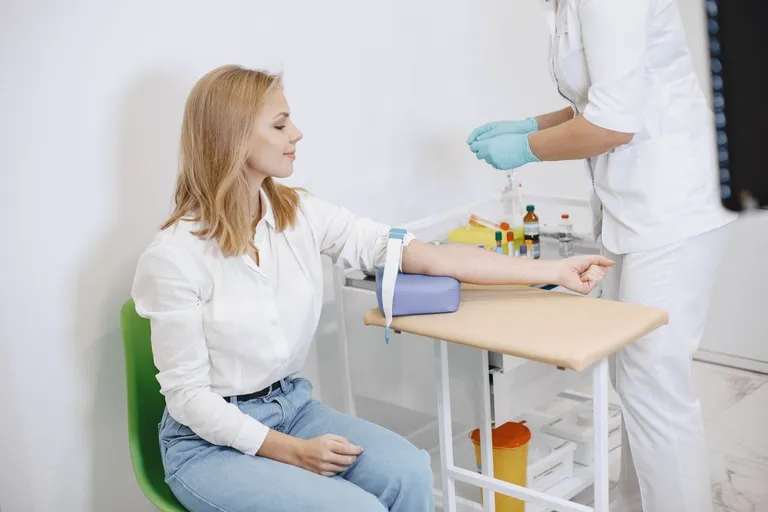
Header image from Pexels
Disclaimer: This article is for information only and is not a substitute for professional medical advice. Always consult a GP or qualified healthcare provider before making decisions about your health. Prices were accurate at time of publication but may change.