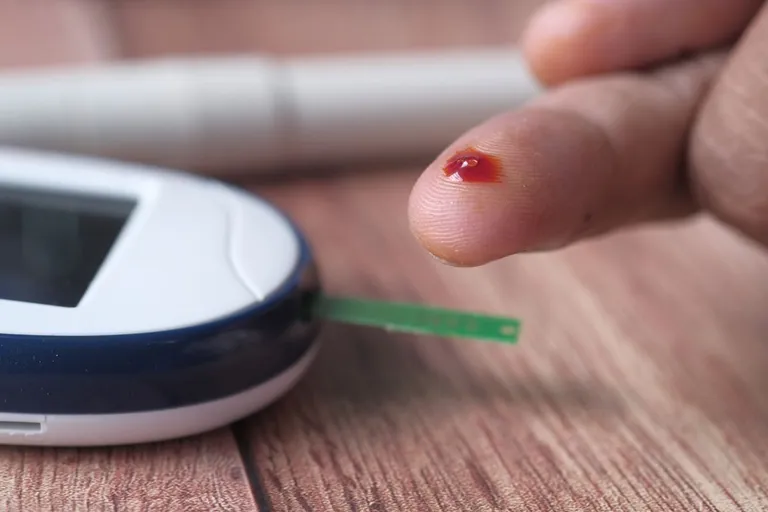
HbA1c & Diabetes Blood Tests: Your 2026 UK Guide
Diabetes affects over 5.6 million people in the UK, with around 1.2 million people living with undiagnosed type 2 diabetes. Many people don’t know they have it until complications develop.
The good news is that a simple blood test called HbA1c can detect prediabetes and diabetes years before symptoms appear. And thanks to private blood testing, you can check your levels without waiting for a GP appointment.
Whether you’re concerned about your risk, managing a diagnosis, or just want to be proactive about your health, here’s what you need to know about diabetes blood testing in the UK.
What Is HbA1c?
HbA1c (glycated haemoglobin) is a measure of your average blood sugar levels over the past two to three months. Unlike a finger-prick glucose test that gives you a snapshot of your blood sugar at a single moment, HbA1c shows the bigger picture.
When glucose enters your bloodstream, some of it sticks to haemoglobin in your red blood cells. The more glucose in your blood, the more haemoglobin gets glycated. Since red blood cells live for around 120 days, the HbA1c test reflects your average blood sugar control over that period.
The results are given as a percentage or in mmol/mol:
- Below 42 mmol/mol (6.0%) is Normal
- 42 to 47 mmol/mol (6.0% to 6.4%) is Prediabetes (increased risk of developing type 2 diabetes)
- 48 mmol/mol (6.5%) or above is Diabetes
Why Test HbA1c Privately?
The NHS offers diabetes screening as part of the Health Check for adults aged 40-74, and GPs can request an HbA1c test if you have symptoms or risk factors. But private testing has several advantages:
You don’t need symptoms to test privately, so there’s no waiting for obvious signs like frequent urination, excessive thirst, or unexplained weight loss. Many people with prediabetes have no symptoms at all. Results come back faster too, typically within 2-5 working days compared to NHS waits that can stretch to weeks.
If you’re managing prediabetes or diabetes, private testing lets you monitor your progress as often as you like without repeated GP appointments. And if a close family member has diabetes (which significantly raises your own risk), it makes an annual check easy.
Who Should Get an HbA1c Blood Test?
The NHS recommends diabetes screening every three years from age 40, but you may want to test sooner or more often if:
- You’re overweight or obese. Excess weight, particularly around the abdomen, is the single biggest risk factor for type 2 diabetes.
- You have a family history of diabetes. Your risk doubles if a parent or sibling has the condition.
- You’re of South Asian, Black African, or Caribbean descent. People from these backgrounds are at higher risk, even at a lower BMI.
- You have high blood pressure or a history of cardiovascular disease.
- You had gestational diabetes during pregnancy. This increases your risk of developing type 2 diabetes later in life.
- You’ve been told you have prediabetes. Regular monitoring is essential to track whether your levels are improving or worsening.
How Much Does a Private HbA1c Blood Test Cost?
To compare HbA1c and diabetes test prices across all providers side by side, visit our compare page to look at HbA1c or diabetes tests.
| Provider | Test | Price | Link |
|---|---|---|---|
| Medichecks | Diabetes (HbA1c) Blood Test | £46 | View test£46 |
| Forth | HbA1c Blood Test | £46 | View test£46 |
| Bluecrest Wellness | Advanced Diabetes (HbA1c) | £65 | View test£65 |
| Numan | Metabolic Health Blood Test | £68 | View test£68 |
| Numan | Weight Loss Blood Test | £78 | View test£78 |
| Thriva | Metabolic Health Blood Test | £96 | View test£96 |
Medichecks and Forth offer the best value for standalone HbA1c testing at £46 each. If you want a broader picture of your metabolic health, Numan’s Metabolic Health Blood Test at £68 includes HbA1c alongside other key markers. Thriva’s Metabolic Health test at £96 (£86.40 with the 10% first-subscription discount) is the most comprehensive option, including HbA1c, glucose, lipids, and liver function.
Understanding Your Results
If your HbA1c comes back in the normal range (below 42 mmol/mol), keep up whatever you’re doing and retest annually if you have risk factors.
If you’re in the prediabetes range (42-47 mmol/mol), consider this a wake-up call. Prediabetes is reversible with lifestyle changes, and catching it early is your best chance to prevent or delay type 2 diabetes.
If your HbA1c is 48 mmol/mol or above, you’ll need to see your GP for a formal diagnosis and treatment plan. The good news is that with modern treatments and lifestyle management, diabetes is very manageable.
What If Your HbA1c Is High?
If your HbA1c results come back in the prediabetes or diabetes range, here’s what you can do:
Dietary changes are the most effective intervention. Reduce your intake of refined carbohydrates and added sugars (white bread, sugary drinks, biscuits, cakes) and increase your intake of fibre-rich foods (vegetables, whole grains, legumes). The Mediterranean diet has strong evidence for improving blood sugar control.
Weight loss of just 5-10% of your body weight can significantly improve insulin sensitivity and blood sugar levels. Even modest weight loss can be enough to move you out of the prediabetes range.
Physical activity helps your cells use insulin more effectively. Aim for at least 150 minutes of moderate-intensity exercise per week; brisk walking, cycling, or swimming all count.
Monitor your progress by retesting your HbA1c in three months to see if your changes have made a difference. Private testing is ideal for this: you can order a repeat test online without needing to see a GP. That three-month retest is the step people skip most often, in my experience, and it’s the one that keeps you honest.
Consider medication if lifestyle changes aren’t enough. Your GP may recommend metformin or other diabetes medications, which are well-studied and effective at managing blood sugar levels.
When Not to Test
HbA1c reflects the last two to three months, so testing within weeks of a big diet change, an illness, or a blood transfusion can mislead you. It is not the right test to check for type 1 diabetes or to manage insulin doses, which need daily glucose readings and clinical input. If you have heavy thirst, frequent urination, blurred vision, or vomiting, seek medical help straight away rather than waiting on a kit. A home reading is a prompt to see a GP, not a diagnosis.
Header image from Pexels
Disclaimer: This article is for informational purposes only and is not a substitute for professional medical advice. Always consult a GP or qualified healthcare provider before making decisions about your health.