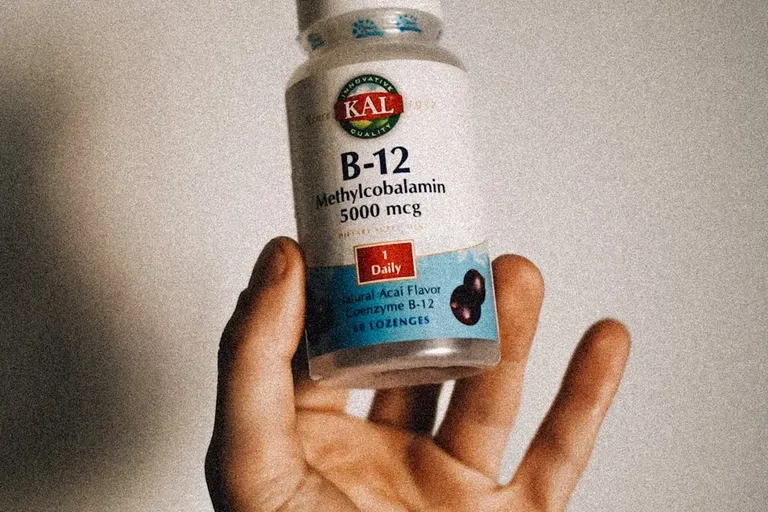
Vitamin B12: Why It Matters & Where to Test
Vitamin B12 is one of the most essential nutrients your body needs, yet it’s also one people are most commonly deficient in, especially in the UK. If you’re feeling tired, foggy, or just not yourself, a B12 blood test could give you the answers you’ve been looking for.
Why Vitamin B12 Matters
Vitamin B12 (cobalamin) is a water-soluble vitamin with several critical jobs:
- Red blood cell formation: without enough B12, your red blood cells don’t develop properly, leading to anaemia
- Nervous system function: B12 helps maintain the myelin sheath that protects your nerves. Deficiency can cause irreversible nerve damage over time
- DNA synthesis: every cell in your body needs B12 to make DNA
- Energy production: B12 is involved in converting food into usable energy, which is why low levels often leave you feeling drained
Your body can’t produce B12 on its own; you need to get it from food or supplements. Even then, you need sufficient stomach acid and a protein called intrinsic factor to absorb it properly. This is where problems often start.
Symptoms of B12 Deficiency
B12 deficiency can be sneaky, developing slowly over months or even years. Common symptoms include:
- Persistent fatigue and weakness
- Pale or jaundiced skin
- Shortness of breath and heart palpitations
- Pins and needles in your hands and feet
- Brain fog, poor memory, and difficulty concentrating
- A sore, red tongue (glossitis)
- Mood changes, including depression and irritability
- Blurred vision
The tricky part is that many of these symptoms overlap with other conditions (iron deficiency, thyroid problems, simply being run down), which is why a blood test is the only reliable way to confirm whether B12 is the culprit.
How Common Is B12 Deficiency in the UK?
More common than most people realise. Studies suggest that around 6% of people under 60 in the UK are deficient in B12, and that figure rises to 20% of those over 60. However, many more people have borderline levels that fall short of optimal.
You’re at higher risk if you:
- Follow a vegan or vegetarian diet: B12 is naturally found only in animal products (meat, fish, eggs, dairy), so vegans are particularly vulnerable
- Are over 60: stomach acid production and intrinsic factor levels decline with age, making absorption harder
- Have a digestive condition: Crohn’s disease, coeliac disease, and atrophic gastritis all affect B12 absorption
- Take certain medications long-term: proton pump inhibitors (for acid reflux) and metformin (for diabetes) can reduce B12 absorption
- Have had weight loss surgery: gastric bypass and sleeve gastrectomy can significantly impair B12 absorption
- Have pernicious anaemia: an autoimmune condition where your body attacks the cells that produce intrinsic factor, making B12 absorption nearly impossible
What the NHS Tests for B12, and Where It Falls Short
The NHS does test for B12, but access is restricted. NICE guidelines recommend B12 testing only when you have symptoms of deficiency and a confirmed risk factor. In practice, this means many people with borderline symptoms are told their levels are “normal” and sent away without treatment.
The NHS typically uses a total B12 test, which measures both active and inactive B12 in your blood. This can miss early-stage deficiency because inactive B12 can make total levels look normal even when your cells are actually starved of the active form.
Private testing offers two key advantages:
- You can access the Active B12 (holotranscobalamin) test, which measures only the B12 your body can actually use, making it a much more sensitive marker
- You can test on your own terms, without needing a GP referral or meeting strict NHS criteria
Where to Get a Private B12 Blood Test in the UK
Several UK providers offer B12 testing. Here are the current prices and what you get:
| Provider | Price | Test | What’s Included |
|---|---|---|---|
| Medichecks | £39 | Vitamin B12 (Active) Blood Test | Active B12 (holotranscobalamin): the most sensitive marker |
| Forth | £50 | Vitamin B12 Blood Test (Active B12) | Active B12, finger-prick or clinic option |
| Numan | £68 | Nutritional Health Blood Test | Bundle covering B12, vitamin D, folate, iron, and more |
| Thriva | £82 | Vitamins Blood Test | Bundle covering B12, folate, and vitamin D (10% off with subscription) |
| Bluecrest Wellness | £99 | Core Vitamins Profile | B12 plus 7 other vitamins and minerals |
Best value: Medichecks offers the cheapest standalone Active B12 test at £39, with results in 24–48 hours and both finger-prick and venous draw options.
To compare B12 and other vitamin test prices across all providers side by side, visit our compare page to look at B12 or vitamin tests.
What Do the Results Mean?
B12 test results are typically reported in two ranges:
Active B12 (holotranscobalamin):
- Normal: Above 37 pmol/L
- Borderline: 25–37 pmol/L
- Deficient: Below 25 pmol/L
Total B12 (serum B12):
- Normal: Above 200 ng/L (148 pmol/L)
- Borderline: 150–200 ng/L
- Deficient: Below 150 ng/L
If your Active B12 is below 37 pmol/L or your Total B12 is below 200 ng/L, you should speak to a healthcare professional about treatment, even if your results are classed as “borderline” by the lab.
What to Do If Your B12 Is Low
If your results come back low, here’s what you can do:
- Increase dietary intake: eat more B12-rich foods such as beef liver, sardines, salmon, tuna, trout, eggs, milk, and yoghurt. Fortified breakfast cereals and nutritional yeast are good options for vegans and vegetarians
- Take a supplement: over-the-counter B12 supplements are widely available. Cyanocobalamin is the most common and most affordable form. Methylcobalamin is a more bioavailable form that some people prefer. Sublingual (under the tongue) tablets are absorbed better than standard tablets for people with absorption issues
- Consider B12 injections: if your deficiency is moderate or severe, or if you have pernicious anaemia, you may need hydroxocobalamin injections. These are available on the NHS (for diagnosed pernicious anaemia) or privately through clinics
- Address the root cause: if you’re deficient despite eating enough B12, the problem is likely absorption. Ask your GP about testing for pernicious anaemia (intrinsic factor antibodies) and coeliac disease
- Retest after 3 months: to check your levels are responding to treatment
⚠️ Important: Neurological symptoms from B12 deficiency can become irreversible if left untreated. If you have numbness, tingling, balance problems, or memory issues, see a doctor promptly rather than waiting.
The Bottom Line
With around one in five older adults deficient and NHS testing criteria remaining restrictive, a private Active B12 test is one of the more useful health checks you can arrange yourself. At £39 for a standalone test, it’s a small investment for something that affects your energy, brain function, and long-term nerve health.
To find the best B12 test for your needs, visit our compare page and see all the options side by side.
When Not to Test
B12 results are easily skewed by recent supplements or injections, so testing soon after a dose gives a falsely reassuring reading. Do not use a home result to start high-dose B12 injections on your own. If you have numbness, tingling, balance problems, or memory changes, see a GP rather than self-testing, because nerve symptoms need prompt assessment. For anyone with a strictly vegan diet or a known absorption problem, a GP conversation is a more useful first step than a kit.
Disclaimer: This article is for informational purposes only and does not constitute medical advice. Always consult a qualified healthcare professional before starting supplements or making changes to your health regimen.
Header image from Pexels