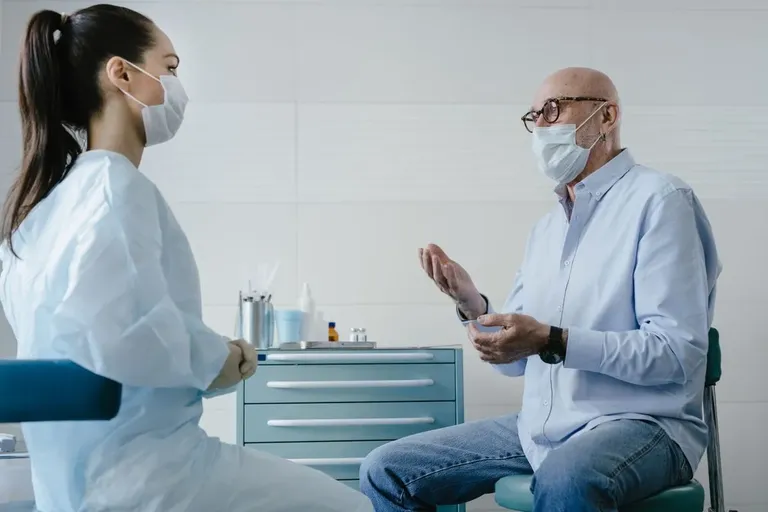
PSA Blood Test: Prostate Health Screening Guide
The PSA blood test is one of the most common private blood tests taken by men in the UK, and for good reason. Prostate cancer is the most common cancer in men, with over 52,000 new cases diagnosed each year in the UK. Yet many men are unsure about when to test, what the results mean, and where to get a PSA test done privately.
This guide covers everything you need to know about PSA testing: from how the test works and what affects your results, to the best providers and prices in the UK.
What is a PSA Blood Test?
PSA stands for Prostate-Specific Antigen, a protein produced by both normal and cancerous cells of the prostate gland. The PSA blood test measures the level of this protein in your blood.
A small amount of PSA naturally enters your bloodstream, but elevated levels can indicate a problem with your prostate, though not necessarily cancer. Other conditions like an enlarged prostate (benign prostatic hyperplasia, or BPH), prostatitis (inflammation), or a urinary tract infection can also raise PSA levels.
The test is a simple blood draw, typically done from a vein in your arm. Some providers offer finger-prick home kits, though venous samples tend to be preferred for PSA testing given its importance.
Who Should Take a PSA Test?
The NHS does not offer routine PSA screening for all men. Instead, it offers a “informed choice” programme for men aged 50 and over. This means you can request a PSA test from your GP after discussing the pros and cons.
The NHS recommends PSA testing for:
- Men aged 50 and over who have discussed the risks and benefits with their GP
- Men aged 45 and over of Black ethnicity (who have a higher risk of prostate cancer)
- Men aged 45 and over with a father or brother who had prostate cancer
- Men of any age experiencing symptoms such as:
- Difficulty starting to urinate
- Weak or interrupted urine flow
- Needing to urinate more frequently, especially at night
- Blood in urine or semen
Many men choose private PSA testing for faster access, greater convenience, and the ability to test without needing a GP appointment first.
What Do PSA Results Mean?
PSA levels are measured in nanograms per millilitre (ng/mL). There is no single “normal” level: PSA tends to increase with age, and different labs may use slightly different ranges.
As a general guide:
| Age Range | Typical PSA Reference Range |
|---|---|
| 40–49 | 0–2.5 ng/mL |
| 50–59 | 0–3.5 ng/mL |
| 60–69 | 0–4.5 ng/mL |
| 70+ | 0–6.5 ng/mL |
A single raised PSA result does not mean you have cancer. Your GP or a specialist will consider:
Your GP or specialist will weigh several factors together. They will look at the actual PSA level and how far above the expected range it sits, the PSA velocity (how quickly levels are rising over time), and the free versus total PSA ratio, since a lower ratio of free PSA can indicate higher risk. Your age, family history, and ethnicity all feed in, as do the findings from a digital rectal examination (DRE), if one has been done.
If your PSA is raised, the next step is usually an MRI scan, followed by a biopsy if needed. This is managed through the NHS or a private urologist.
Private PSA Blood Test Costs in the UK
PSA testing is widely available through private providers. Prices range from £45 to £93, depending on the provider and whether you choose a home finger-prick kit or a venous blood draw at a clinic.
To compare PSA test prices across all providers side by side, visit our PSA blood test comparison page.
| Provider | Price | Type | Link |
|---|---|---|---|
| Medichecks | £45 | Finger-prick or venous | View test£45 |
| Forth | £49 | Finger-prick or venous | View test£49 |
| Thriva | £65 | Finger-prick | View test£65 |
| Bluecrest Wellness | £85 | Venous (clinic) | View test£85 |
| Check4Cancer | £93 | Finger-prick | View test£93 |
Medichecks: £45
Medichecks offers the lowest price for a standalone PSA test at £45, with both finger-prick and venous collection options. Results typically arrive in 2 working days. Their reports are reviewed by a GP and include clear reference ranges. Medichecks also runs frequent sales, so you may find the test even cheaper.
Forth: £49
Forth’s PSA test is priced at £49 and is available as a finger-prick home kit. Forth is known for its fitness and performance focus, and their app lets you track PSA levels over time alongside other health markers.
Thriva: £65
Thriva’s PSA test costs £65 and uses a finger-prick sample. Thriva’s subscription model (from £21/month) includes quarterly testing and trend tracking, which can be useful for monitoring PSA velocity over time. Results arrive in 2–5 working days.
Bluecrest Wellness: £85
Bluecrest Wellness offers PSA testing as part of their clinic-based health MOTs. At £85 for an individual test, it’s more expensive than home kits, but you get a venous blood draw at a clinic and a comprehensive consultation with your results.
Check4Cancer: £93
Check4Cancer specialises in cancer screening. Their PSACheck test costs £93 and is a finger-prick home kit designed specifically for prostate cancer screening. Results are reviewed by a consultant and include a follow-up telephone consultation.
PSA Testing: Tips for Accurate Results
To get the most accurate PSA reading, keep these tips in mind:
- Avoid ejaculation for 48 hours before the test, as it can temporarily raise PSA levels
- Avoid vigorous exercise (especially cycling) for 48 hours beforehand
- Tell your doctor if you have a urinary tract infection or have had a recent prostate biopsy
- Test at the same time of day if you’re monitoring PSA over time, since levels can fluctuate
- Don’t stop taking medications without speaking to your doctor first
What Happens After a PSA Test?
If your results come back within the normal range for your age, you can generally continue with routine monitoring. Many men choose to test annually.
If your PSA is raised, your provider’s report will typically recommend that you discuss the results with a GP or urologist. Private providers like Medichecks and Check4Cancer include GP review in their service, which can help you interpret the results and decide on next steps.
Remember: a raised PSA does not automatically mean cancer. The NHS estimates that only about 1 in 4 men with a raised PSA level will actually have prostate cancer after further testing.
When Not to Test
Timing and context change a PSA result, so avoid testing during a urinary infection or within 48 hours of a prostate exam, ejaculation, or a long bike ride. A raised PSA is not a cancer diagnosis and a normal one does not rule cancer out, so a private result should prompt a GP conversation rather than a conclusion. If you have blood in your urine, pain on urination, or new bone pain, see a GP promptly instead of self-testing.
To compare PSA test prices across all providers side by side, visit our PSA blood test comparison page.
Header image from Pexels